

You probably know at least one school with standout facilities.
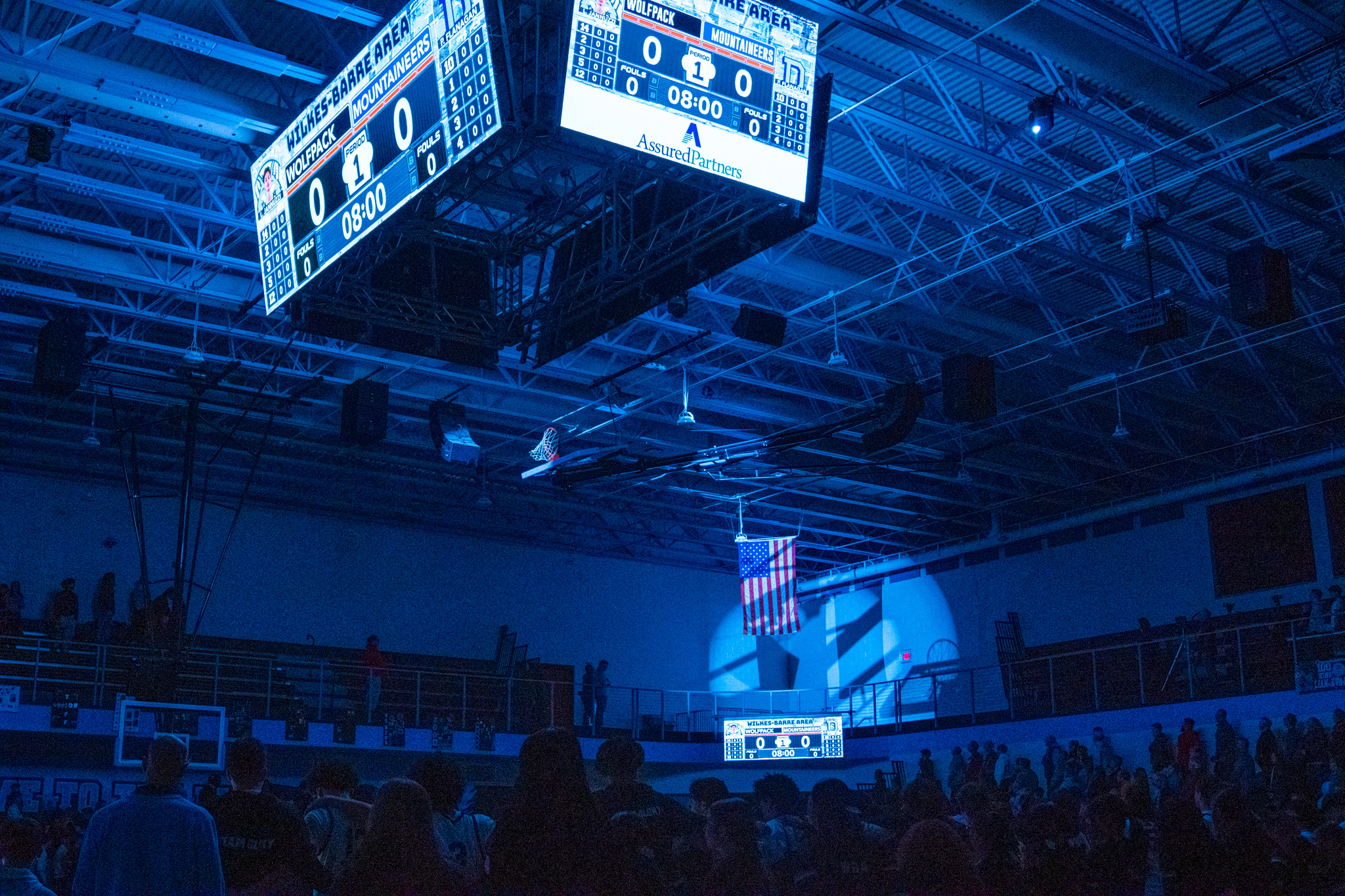
The gym feels electric on game night. The scoreboard is bright and modern. The stadium feels like a place the community wants to be. Students are proud of their school, and families show up.
What’s surprising is that these schools aren’t always the largest, newest, or most well-funded in the district.
In many cases the difference between them and your school isn’t budget size, it’s approach. Here’s what those schools are doing differently.
They Think Beyond Traditional Funding
For decades, most school facility upgrades have followed the same playbook: wait for a bond, apply for grants, or fundraise through parents and boosters.
While these options can be effective, they tend to be short-term, high-effort, and unpredictable. Funding is project-based and sporadic, making it difficult to plan upgrades consistently.
These schools don’t abandon these funding efforts, but instead they:
- Reduce dependence on one-time fundraisers that reset to zero each year
- Understand that bonds and grants are important but slow and competitive
- Stay open to non-traditional funding models that don’t strain school budgets
Rather than asking, “How do we raise more money?” these schools ask, “How can we fund improvements without adding financial risk or more work?”

They View Facilities as Assets, Not Expenses
Another key difference is how these schools think about their facilities.
Instead of viewing gyms, stadiums, and scoreboards purely as costs to maintain, they see them as assets with real value.
Modern facilities:
- Drive student engagement and school pride
- Improve the game-day and event experience for families and fans
- Attract community attention and participation
- Offer new platforms for student learning
- Create new opportunities for long-term revenue
Athletic facilities, in particular, bring together students, families, alumni, and local residents week after week. That consistent audience makes these spaces some of the most valuable real estate a school owns.
“From showcasing our athletes through video, to adding extra revenue by spotlighting local businesses, to the incredible student-led opportunities to run the equipment and live-game production—this will make the entire Notre Dame experience better for our athletes, fans, and students.” - Jeff Graviett, Athletic Director of Notre Dame Regional High School
.jpg)
They Involve the Community
Schools with modern facilities ensure they involve their community, outside of just the parents and staff at their school.
They involve local businesses. And not just as occasional donors, but long-term partners and members of their community.
These schools understand that:
- Local businesses want to support the schools their customers’ families attend
- Community visibility matters more than one-off donations
- Partnerships work best when both sides receive value
Modern facilities create opportunities for that shared value: businesses gain meaningful, high-visibility presence at school events; schools gain funding, upgraded spaces, and stronger community ties. The relationship feels supportive, not transactional.
"People see it. It keeps you top of mind, and it connects you to the community." - Kyle Becker, Owner of Smart Insurance and 5-year scoreboard sponsor at Abilene High School
.jpg)
They Plan for Sustainability
Perhaps the most important difference is long-term thinking.
They make changes with sustainability in mind, rather than one-time fixes. Instead of solving problems one season at a time, they invest in solutions that support their programs five and ten years into the future.
That means:
- Choosing solutions that generate ongoing value instead of short-term relief
- Prioritizing recurring revenue over one-time funding
- Making upgrades that won’t create future budget strain
- Conducting proactive maintenance rather than reactive fixes
This approach allows administrators to plan ahead, support programs consistently, and avoid the cycle of constant fundraising and deferred maintenance, reducing pressure on staff and bringing stability to their school.
Modern Schools Take a Modern Approach
This is where Scoreboard Media comes in.
Scoreboard Media helps schools modernize athletic facilities without requiring new funding from school budgets - starting with their scoreboards.
Our model is built specifically for schools that want modern facilities without added financial risk or staff workload.
Here’s how it works:
We fund and install the scoreboard
For qualifying schools, we will purchase and install new LED video scoreboards for gyms and stadiums, without upfront cost to the school.
We also handle software implementation and training, so staff can run the boards confidently on game day.
We manage the sponsorship program
Once installed, we turn the scoreboard into a revenue-generating asset.
Scoreboard Media becomes the school’s sponsorship department, handling:
- Sponsor sales and prospecting
- Meetings, contracts, invoicing, and revenue collection
- Graphic design and content execution
- Ongoing sponsor service, renewals, and retention
- Proof-of-performance reporting, photography, and video
School staff don’t have to sell ads, manage sponsors, or chase payments - we do it all.
Sponsors fund the program
Local and regional businesses sponsor the scoreboard and facilities in exchange for consistent, high-visibility presence at school events. Sponsors get authentic community exposure while paying back the facility upgrade.
Schools receive long-term revenue
Schools receive long-term revenue share that goes directly back to their programs. That funding can support athletics, student education, new initiatives, and future facility improvements.
The result is a self-sustaining model where facilities no longer drain resources, they help support them.
“We constantly get told your gym is unbelievable atmosphere and a lot of it is due to the video board... It’s like what you see at NFL games or collegiate atmosphere. We’ve had multiple people when they come to our gym say, ‘How do you get one of those?’” - Derek Berns, District Athletic Director, Abilene Public Schools, USD #435


