

Tight budgets. Constant fundraising. Pressure to improve facilities without the resources to match.
If that sounds familiar, you're not alone. Athletic directors across the country are facing the same challenge: how do you fund programs that keep growing when your budget stays flat?
That's why more athletic directors are exploring school sponsorships, not as a one-time fundraiser, but as a long-term solution that takes the financial pressure off their departments.
What Is a School Sponsorship Program?
At its core, a school sponsorship program is a partnership between your athletic department and local or regional businesses.
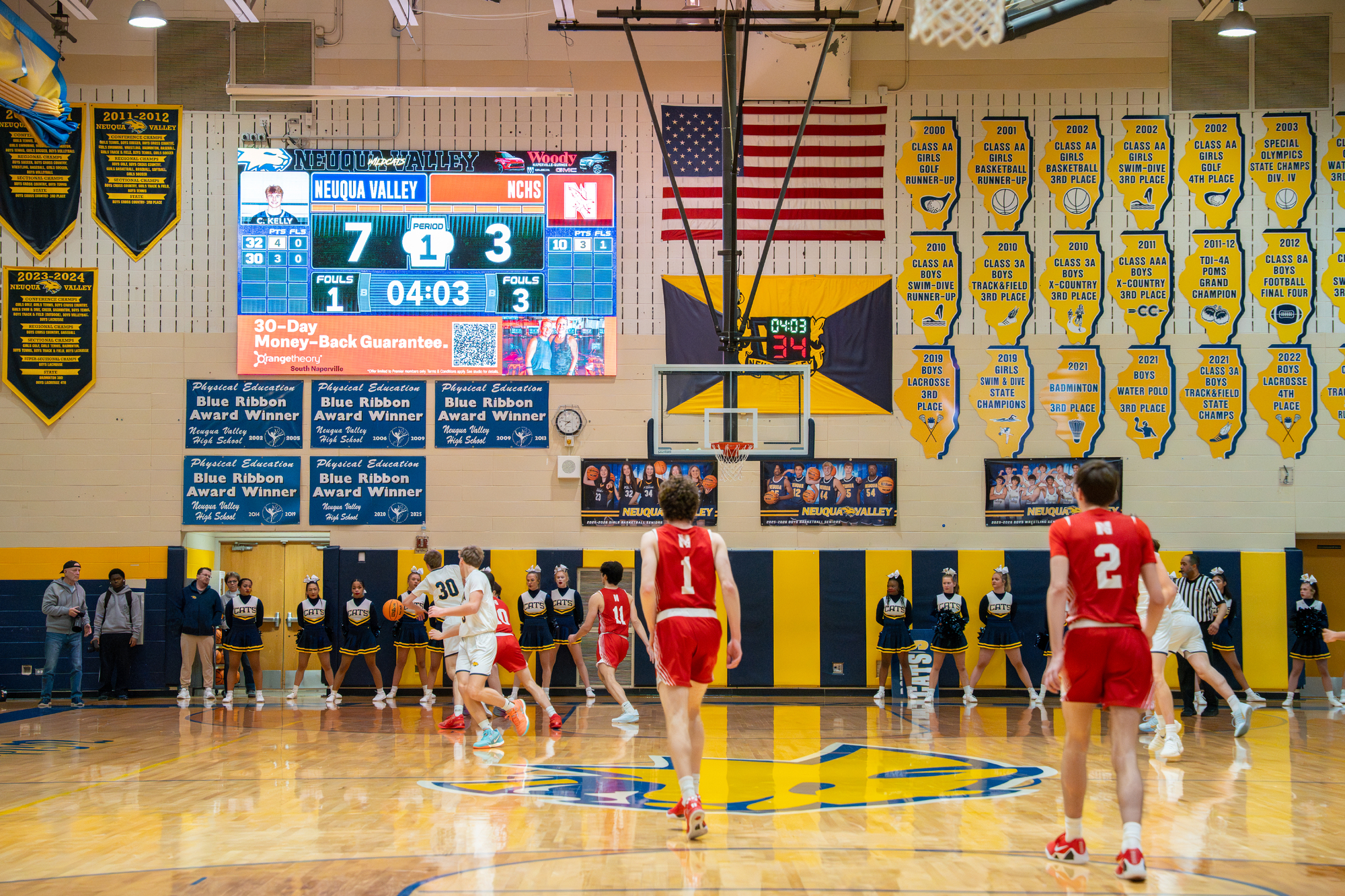
Businesses provide financial support to your program. In return, they receive consistent visibility at games, events, and within your facilities through placements like:
- Scoreboards
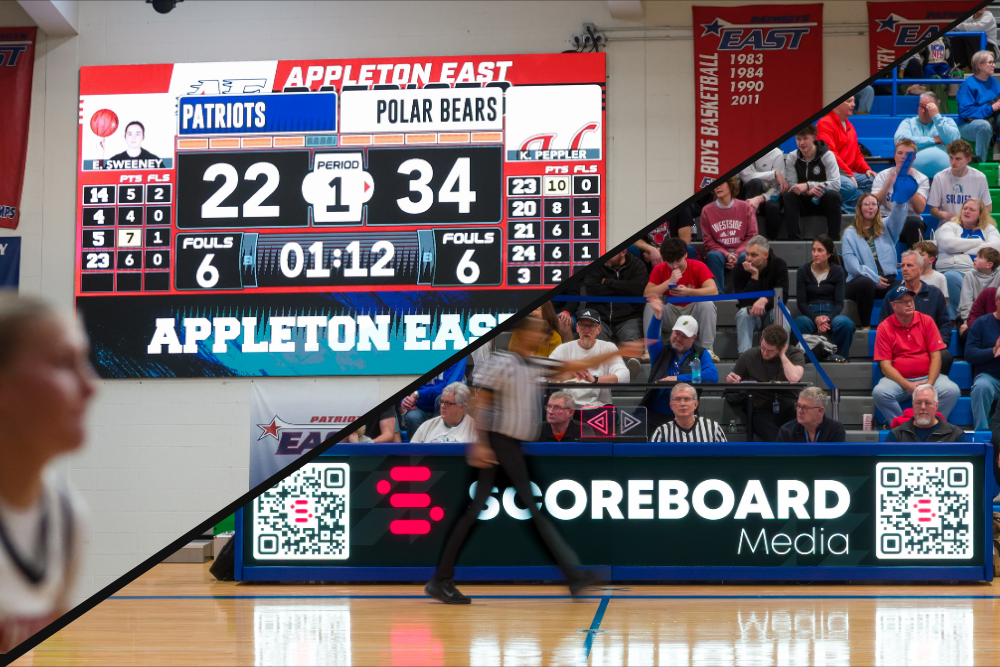
- Scorer's tables
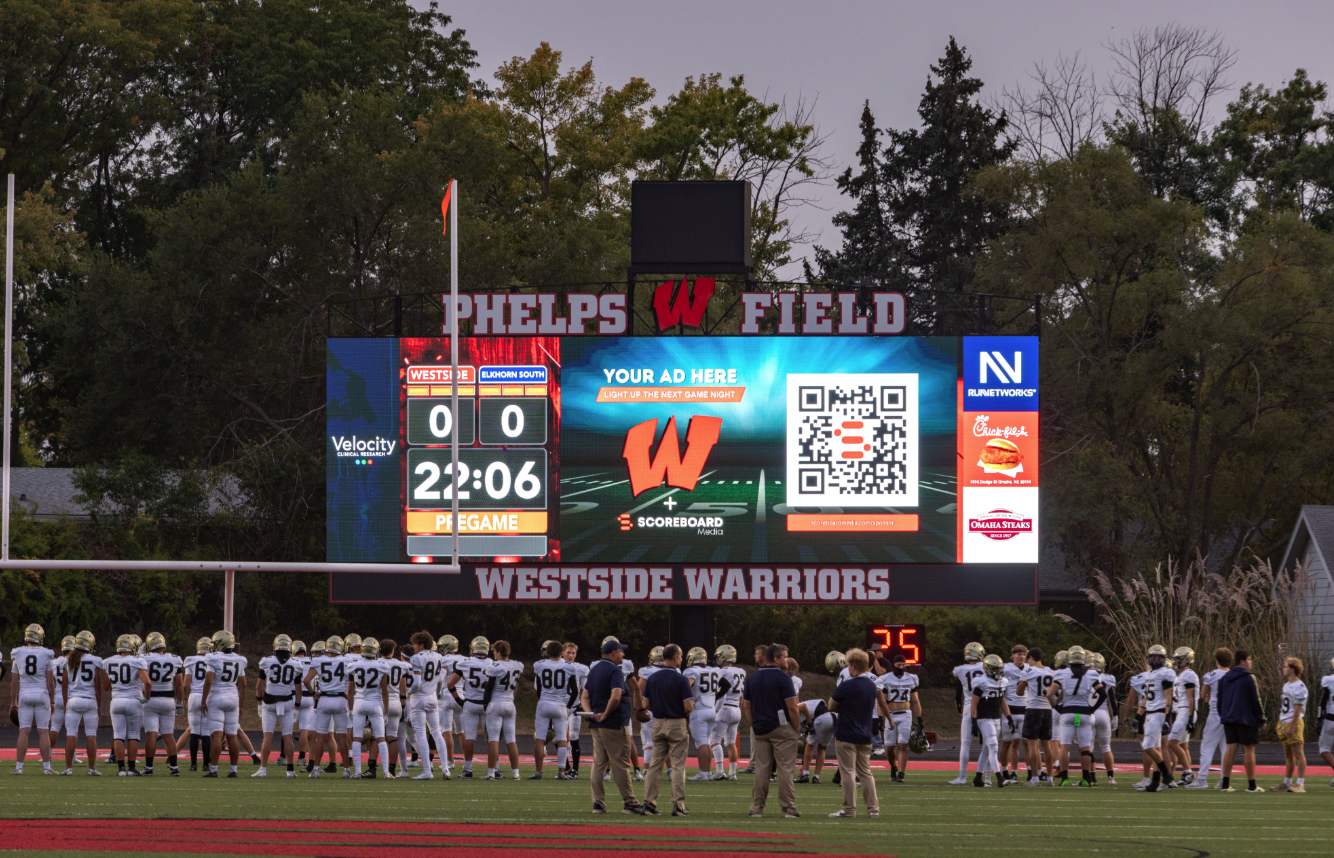
- Stadium signage
- Digital or static displays during games
But here's the important distinction: this isn't a one-time donation. It's an ongoing partnership.
Sponsors aren't just giving money, they're investing in being part of your community over time. And that's exactly what makes the model sustainable.
Why Athletic Directors Are Moving Toward Sponsorship Models
Traditional fundraising still plays a role, but it comes with some real limitations.
Most fundraisers require constant planning and coordination, depend heavily on parents and volunteers, and generate short bursts of revenue before resetting to zero.
That last part is the biggest challenge.
You can have a great season of fundraising, but when it ends, you're right back where you started. According to the National Federation of State High School Associations (NFHS), booster clubs contribute as much as 30–50% of an athletic department's budget (Booster Spark), but that revenue is rarely predictable year-over-year.
Sponsorship programs flip that model. Instead of starting over every season, you're building recurring revenue, predictable funding, and long-term relationships with businesses in your community.
It shifts your approach from reacting to needs to actually planning for the future.
How a Sponsorship Program Actually Works
If you've never run a sponsorship program before, it can feel a little unclear. But when you break it down, the structure is straightforward.
1. Identify revenue-generating assets
Every athletic department already has something incredibly valuable: your audience. Games bring together students, families, alumni, and community members week after week, and that consistent attendance is exactly what businesses are looking for.
2. Create space for sponsors
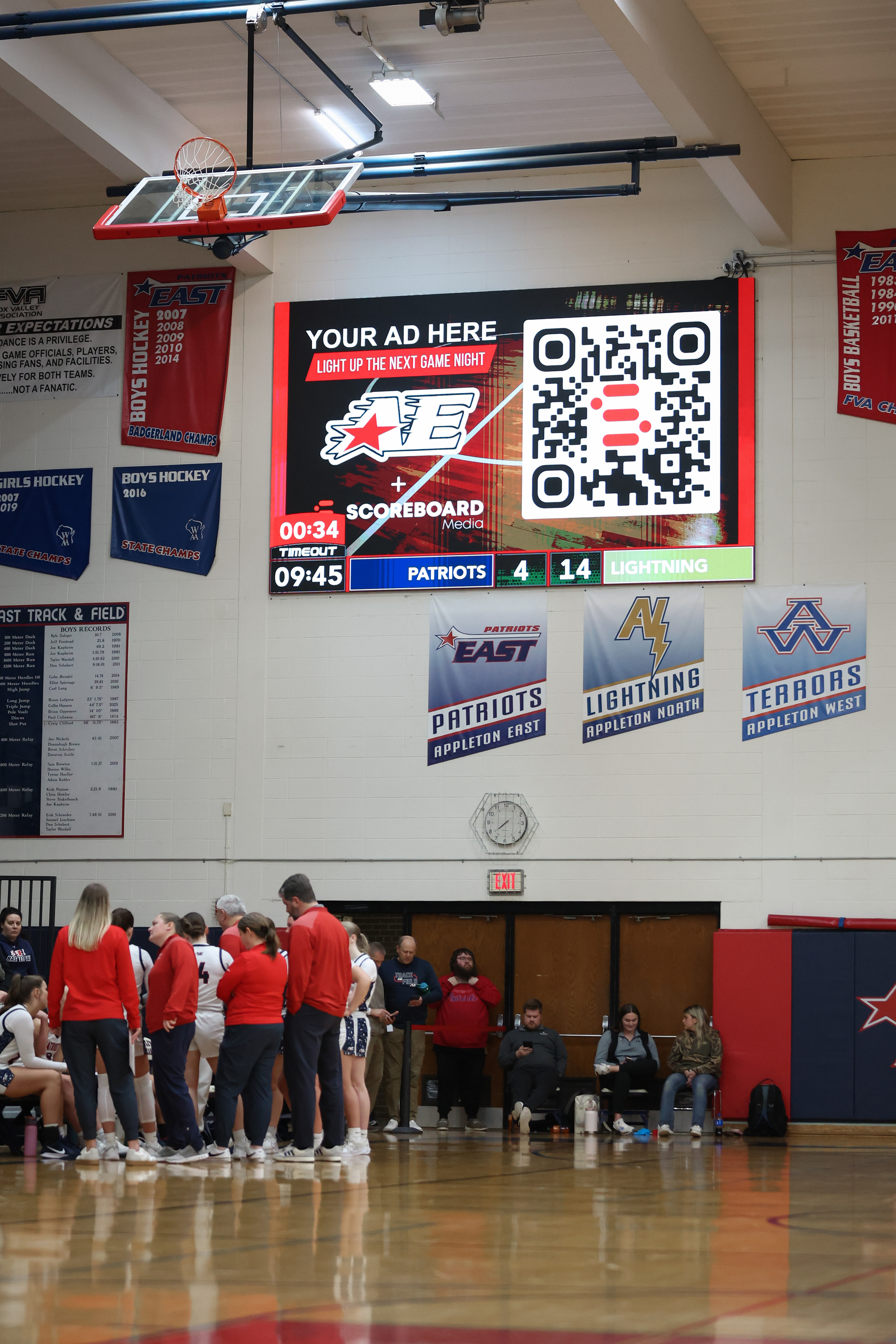
This is where your facilities come in. An existing scoreboard can be used for sponsorships, or a new LED scoreboard installation opens up premium ad space that draws the eye all game long.
3. Bring in sponsors
Local and regional businesses sign multi-season agreements, giving them a consistent presence in the community they want to reach. This usually takes the most effort for athletic directors and their staff and can be the most daunting.
4. Deliver visibility
Sponsors receive game-day exposure and repeated impressions throughout the season, the kind of consistent local presence that actually builds brand trust.
5. Generate revenue over time
Instead of one-time income, you now have a recurring revenue stream tied to something that's already happening: your athletic events.

Where Most Schools Get Stuck
If the model is that straightforward, why doesn't every school have a sponsorship program?
Because the reality is, it can feel like a lot to manage.
Most athletic directors don't have time to:
- Prospect and sell sponsorships
- Meet with local businesses
- Handle contracts and billing
- Create ad content
- Manage renewals year after year
Even when the opportunity is clearly there, the workload becomes the barrier. That's the gap Scoreboard Media was built to fill.
-1.jpg)
How Scoreboard Media Makes It Turnkey
Instead of asking athletic directors to build and manage a sponsorship program on top of everything else, we step in and become your sponsorship department.
Here's what that actually looks like:
- Scoreboard installation and software implementation — from purchasing and installing LED video scoreboards to setting up ScoreVision and training your staff.
- Sponsor sales and prospecting — finding local and regional businesses that are a strong fit for your community.
- Meetings, contracts, invoicing, and revenue collection — managing every partnership from start to finish.
- Full-service graphic design and program execution — creating professional, high-quality sponsor content for your scoreboards.
- Ongoing customer service, retention, and renewals — keeping sponsors engaged year after year.
- Proof-of-performance reporting, photography, and video — showing sponsors the value they're receiving and giving your school a record of engagement.
In short, we take the entire sponsorship process off your plate.
What This Looks Like for an Athletic Director
Instead of adding more to your workload, the experience is designed to feel like the opposite.
You're not chasing down sponsors, managing ad placements, or handling billing issues. Instead, you're seeing upgraded facilities, new revenue coming in, and stronger relationships with your community, all while staying focused on what actually matters: your athletes and your programs.
How the Program Is Funded
One of the biggest questions schools have is: "Where does the money come from?"
For schools that qualify, Scoreboard Media will fund and install new LED scoreboards at no cost to the school. That upfront investment is covered through the sponsorship program itself.
Sponsors fund the platform in exchange for visibility. Schools receive a share of that revenue over time.
No capital expense. No budget reallocation. No financial risk.
Why This Model Works Long-Term
The biggest advantage of a sponsorship program isn't just the initial upgrade, it's what happens after.
Because the model is built on ongoing sponsor relationships, recurring agreements, and consistent community engagement, it creates predictable, sustainable revenue that grows with your program.
Instead of constantly asking, "How are we going to fund this?" you start to have answers before the question even comes up.
Is a Sponsorship Program Right for Your School?
This model tends to work best for schools that:
- Have consistent attendance at games and events
- Are looking to upgrade facilities
- Want to generate revenue without adding workload
- Value long-term solutions over short-term fixes
If that sounds like your situation, it's worth exploring.
At the end of the day, the question isn't "How do we raise more money this season?"
It's "How do we build a system that funds our programs year after year?"


-1.jpeg)
-10-1.jpg)


