

Athletic Directors, ready to bring a new scoreboard to your school but not sure where to start?
You're not alone.
Let's break down what actually matters when choosing a digital scoreboard system, and the one question most ADs don't think to ask until it's too late.

Step 1: Know What Type of Scoreboard You Actually Need
Before you start comparing companies, get clear on what your venue actually requires. Digital scoreboards generally fall into these four categories:
- Fixed-digit LED scoreboards: The traditional digital board. Shows live scores, time, and basic game info with reliable LED modules. Simple, durable, and a step up from older mechanical systems, but without the video, animation, or sponsorship display capabilities of more advanced systems.
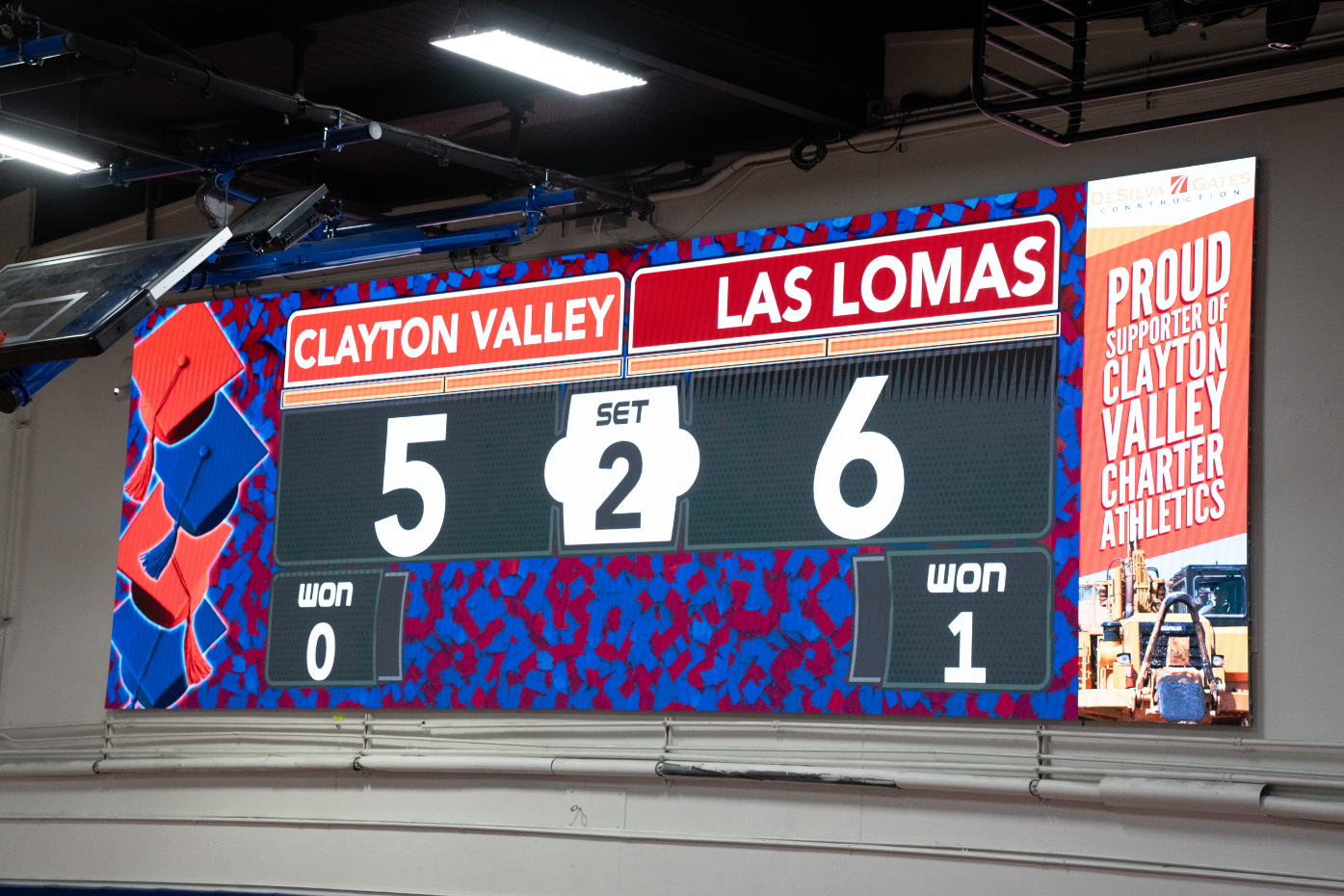
- LED video scoreboards: Full-resolution displays that show live scores, replays, hype videos, sponsor graphics, and school branding. This is the standard for modern high school athletics, and the asset most ADs are looking to install.
- Hybrid systems (also known as Matrix or Smart boards): Combine a traditional fixed-digit scoreboard with an integrated LED video panel for sponsors, replays, and announcements, a step up from a basic board without the full investment of a complete video display.
- LED scorer's tables: A smaller sideline asset that adds to the game-day experience through dynamic graphics, sponsor placements, and team branding. Often paired with a scoreboard, but can stand alone.
Your sport, venue type (gym vs. outdoor stadium), and how you plan to use the asset day-to-day will all factor into the right category for your school.
Step 2: Compare Pricing and Quotes Honestly
This is where most athletic directors get sticker shock, so be prepared.
According to current industry pricing, LED video scoreboards for high schools typically range from $30,000 to $150,000, depending on size, resolution, and whether the system needs to handle multiple sports. Larger stadium installations can exceed $750,000 for top-tier video boards.
A real example: Piedmont High School recently approved a new digital scoreboard for Binks Gym, with the scoreboard and installation valued at approximately $150,000, an investment funded entirely by Scoreboard Media (more on that model later).
But the purchase price is only part of the cost. When you're comparing quotes, ask each company:
- What's included in the base price vs. add-ons?
- What does installation cost? (often $2,000–$10,000 on top of the board)
- Are there electrical or infrastructure upgrades required at your facility?
- What's the annual maintenance cost?
- What's the warranty period and what does it cover?
The cheapest quote isn't always the best value, but the most expensive one isn't either. The right answer depends on what you're getting for the price.

Step 3: Look at Installation, Software, and Service
A digital scoreboard isn't a one-time purchase, it's a long-term piece of infrastructure. The provider you choose will be part of your operations for the next 10–15 years, so what happens after installation matters just as much as the install itself.
Questions to ask every provider:
- Installation: Do they handle it themselves, or contract it out to a third party?
- Service response: How quickly do they respond to service calls during game season?
- Emergency support: What's the process if a board goes dark during a playoff game or rivalry matchup?
- Software training: Is initial training included, and is ongoing training available for new staff?
- Software support: Who maintains and updates the scoreboard software year over year, and what does that cost?
- Warranty coverage: What's included in the warranty, and what's considered out-of-pocket?
You want a scoreboard provider who will be more like a partner during this process, is able to troubleshoot any issues, and sets you up for success.
-1.jpg)
Step 4: Ask the Question Most Athletic Directors Forget
You may get stuck comparing provider specs, installation timelines, and service contracts, and forget to ask the most important question of all:
"How are we actually going to pay for this?"
A $75,000 digital scoreboard is a significant capital expense. For most public schools, finding that money means:
- Going to the school board for budget approval
- Waiting for a bond cycle (often years out)
- Launching a major capital campaign through the booster club
- Or quietly putting the project on hold, again
The traditional model assumes the school comes up with the money first, then buys the scoreboard. It's why so many gyms across the country are still running 1990s-era fixed-digit scoreboards that everyone wishes they could replace, but no one can find the budget for.
There's another option, and most athletic directors don't know it exists.

The Sponsorship-Funded Alternative
Scoreboard Media helps schools upgrade facilities and bring in new digital scoreboards funded through sponsorship revenue and share the proceeds back with your school.
For schools that don't have a clear funding path, this changes everything. You're not choosing between a scoreboard and your budget, you're getting a scoreboard and a new revenue stream, with no capital expense.
Here's what's included:
- Scoreboard purchase and installation
- Software implementation through our software provider and staff training
- Full management of the sponsorship program (sales, contracts, invoicing, design, reporting)
- Ongoing sponsor service, renewals, and proof-of-performance reporting
Your school doesn't pay for the board. Your boosters don't run the program. Local businesses fund it, and your athletic department receives long-term revenue share that goes back into your programs.
That's the model that brought Piedmont High School their new Binks Gym scoreboard, and it’s what sets us apart from most scoreboard companies.
Before you sign with a traditional scoreboard provider, see what the alternative looks like. Tell us a little about your school and find out if your facility qualifies for a fully funded digital scoreboard.


